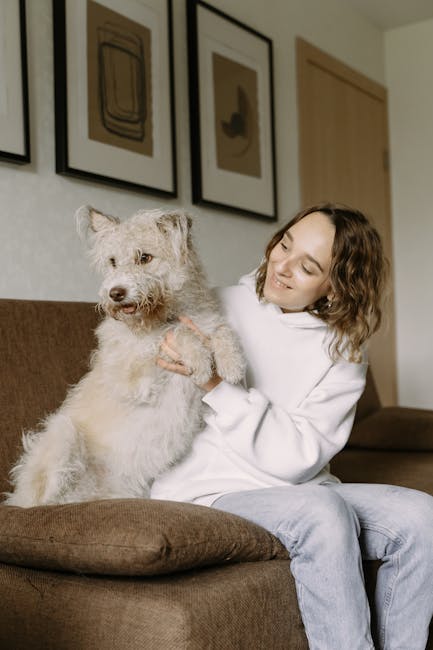
Step by step upholstery cleaning for pet owners across the UK
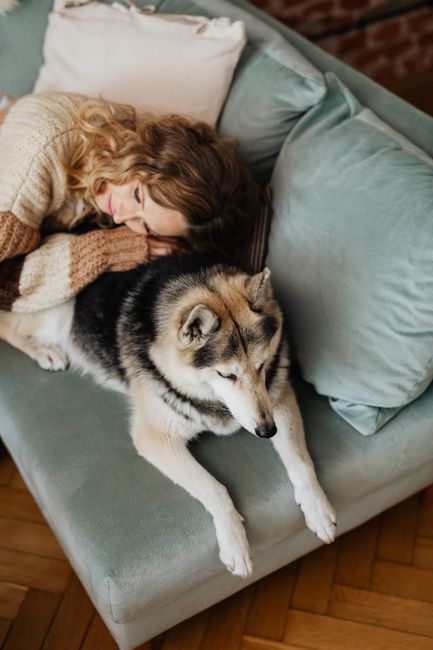
If you live with pets, you already know the story: one muddy paw, one unexpected fur tumble, one tiny accident, and suddenly the sofa looks like it's had a hard week. Step by step upholstery cleaning for pet owners across the UK is really about getting ahead of that mess in a way that is safe, realistic, and kind to your furniture. Done properly, it helps you remove dirt, tackle odours, and keep your home feeling fresher without making the fabric worse. And truth be told, that matters just as much in a city flat as it does in a family house in the suburbs.
This guide walks you through the process in plain English. You'll learn how to clean upholstered furniture with pets in the house, which mistakes to avoid, what tools actually help, and when it makes sense to call in a professional. If you want a deeper look at a broader service approach, the information on upholstery cleaning and pet stain and odour removal can be useful alongside this article.
Why Step by step upholstery cleaning for pet owners across the UK Matters
Pet ownership brings a lot of good things: warmth, company, a bit of chaos, and a fair amount of hair. Upholstery takes the brunt of that daily life. Sofas, armchairs, dining chairs, footstools, and even fabric headboards pick up fur, dander, oils from coats and paws, saliva, food crumbs, and the occasional accident. If you leave it too long, these build up in layers, and the fabric starts to look dull, smell stale, or feel sticky to the touch.
There's also a practical side. Clean upholstery lasts longer. Dirt acts like grit, and grit wears fibres down over time. Pet messes can also spread beyond what you can see, especially if urine or dampness has worked into the cushion filling. In a UK home, where we often keep windows shut for long periods and heating is on for much of the year, odours can linger more than people expect. It's not dramatic; it's just life in a lived-in home.
For pet owners, upholstery cleaning is less about perfection and more about control. A good routine means you stay on top of the mess before it becomes a problem. That's the real win. You get a cleaner home, less smell, fewer mystery marks, and less stress when visitors pop in unexpectedly. Nice, simple, and very welcome on a wet Tuesday afternoon.
How Step by step upholstery cleaning for pet owners across the UK Works
The basic idea is straightforward: remove loose debris first, treat spots carefully, clean the fabric in a way that suits the material, and dry it properly. The details matter, because upholstery is not all the same. Velvet, cotton, synthetic blends, microfibre, and leather each behave differently. So do removable cushion covers versus fixed upholstery.
A sensible cleaning process works in stages. First, you lift out hair and dry soil. Next, you identify stains and test any solution on a hidden area. Then you use a suitable cleaning method-light hand cleaning, spot cleaning, steam or hot water extraction where appropriate, or a professional service for more delicate or heavily soiled pieces. Finally, you dry and groom the fabric so it looks even rather than patchy.
The challenge with pet-related upholstery cleaning is that the visible mark is often only part of the problem. A surface stain might look small, but smell can come from deeper in the fibre or backing. That's why a simple wipe is not always enough. If you've ever cleaned a sofa and thought, "That should have fixed it," only for the smell to return later, you'll know exactly what I mean.
Key Benefits and Practical Advantages
Good upholstery cleaning gives you more than a neater room. It changes how the furniture feels to live with. Fresh fabric is softer to sit on, less likely to hold on to odours, and far more pleasant in a home where dogs jump up after a walk or cats choose the arm of the sofa as their favourite perch. Here are the main benefits in practice:
- Better odour control: Pet smells tend to cling to fibres, especially in warm rooms.
- Improved appearance: Hair, paw marks, and general dullness are reduced.
- Longer furniture life: Removing dirt early helps protect the fabric.
- More hygienic surfaces: Useful in busy homes with children, guests, or allergy concerns.
- Less day-to-day cleaning stress: A maintained sofa is easier to keep under control.
There's another benefit that people don't always mention: confidence. When your lounge feels clean, the whole house feels calmer. Small thing, maybe. But real. If you've ever had to apologise for a dog smell before a family visit, you know the feeling.
Who This Is For and When It Makes Sense
This approach suits pet owners who want a practical routine they can actually stick to. It's especially relevant if you have:
- a dog that sheds heavily or comes in wet from walks;
- a cat that sleeps on sofas, cushions, or fabric chairs;
- young pets still learning house training;
- light-coloured upholstery that shows every mark;
- family furniture used every day by both people and pets;
- allergy concerns and a need to reduce dander build-up.
It also makes sense if you've been doing "quick fixes" for a while and the fabric now needs more than a surface clean. Sometimes the clue is obvious: there's a smell when the heating comes on, or a patch keeps reappearing after drying. Other times it's more subtle. The sofa just looks tired, even after a hoover.
If you're unsure whether to clean at home or book help, think about the fabric type, the size of the item, and how far the stain has spread. A small spill on a synthetic chair is one thing. A lingering urine issue in a family sofa is something else entirely.
Step-by-Step Guidance
Here's the practical part. Keep it calm, don't rush, and treat the upholstery gently. You do not need to scrub like you're cleaning patio slabs. In fact, please don't.
1. Check the care label first
Look for the fabric cleaning code if it's visible. This tells you whether the item can be cleaned with water-based methods, solvent-based methods, or needs professional attention. If the label is missing, be more cautious. Many people jump straight to spray-and-wipe, then wonder why the fabric ringed or faded. A ten-second label check can save you a headache.
2. Remove loose pet hair and debris
Use a vacuum with an upholstery attachment and, where needed, a lint tool or pet hair tool. Get into seams, piping, and under cushions. If you skip this step, loose hair just turns into damp fluff later, which is grim and harder to remove. Go slowly. A sofa arm often holds more hair than you think.
3. Air the room and prepare the area
Open windows if the weather allows, move small items away, and protect nearby flooring if you're using liquid cleaning products. In many UK homes, especially in colder months, drying can be the biggest issue. Good airflow matters. A fan can help, but don't blast heat directly at delicate fabric.
4. Test your cleaner on an unseen patch
Always test in a hidden corner, under a cushion flap, or along the back edge. Wait until it dries. This is the bit that feels boring until it saves the whole job. Some fabrics darken, some stiffen, and some react badly to even gentle products. Better safe than sorry.
5. Treat stains before cleaning the whole piece
Blot spills with a clean, dry cloth. Do not rub; rubbing pushes the stain deeper and can spread it. For greasy marks, a small amount of suitable upholstery cleaner may help. For pet accidents, use a dedicated approach that tackles both stain and odour. If urine is involved, surface cleaning alone is rarely enough because the smell can sink into the cushion filling.
6. Use the right cleaning method for the fabric
For most everyday pet-marked upholstery, a mild hand-cleaning approach works well on the fabric surface. For more stubborn dirt, a professional hot water extraction or low-moisture clean may be suitable, depending on the material. Some fabrics, especially delicate ones, need a gentler touch. If your furniture is labelled "dry clean only," don't improvise with lots of water.
7. Rinse or wipe away residue carefully
Cleaning product residue can attract new dirt if left behind. Wipe or extract as instructed by the product or by the cleaning method being used. This step is a bit dull, but it makes a genuine difference to how quickly the item looks dirty again. Residue is sneaky like that.
8. Dry the upholstery properly
Pat it down with a clean towel where appropriate, then let it air dry fully. Keep pets off it while it dries. Easier said than done, I know. If your dog thinks the freshly cleaned sofa is a brand-new bed, you may need to set a temporary barrier. Drying is one of the most important steps because damp upholstery can smell musty and may develop water marks.
9. Groom the fabric and finish the surface
When dry, brush the fibres lightly if the fabric allows it. Replace cushions and check for any remaining spots or odours. If the result is uneven, don't keep scrubbing. Pause, reassess, and treat the issue more carefully. Sometimes a second gentle pass is better than one heavy-handed attack.
10. Set a maintenance routine
Once the piece is clean, protect your effort. Vacuum weekly, deal with spills quickly, and use throws or washable covers in high-traffic areas if you like. It's not glamorous, but it works.
Expert Tips for Better Results
In our experience, the best results usually come from restraint rather than force. Here are a few practical tips that make a real difference:
- Work from the outside of a stain inward to avoid spreading it.
- Use as little liquid as possible on fixed upholstery.
- Blot with white cloths or plain towels so you can see transfer clearly.
- Deal with pet odours separately from visible stains if needed.
- Clean sooner rather than later; fresh accidents are easier to manage than old, set-in ones.
One useful habit is keeping a small pet-cleaning kit somewhere easy to reach. Not a cupboard buried behind the slow cooker. Somewhere reachable. That way, when the odd accident happens, you're not hunting for supplies while the mark spreads.
If you share the home with a shedding breed, a spring and autumn refresh can be especially helpful, though the exact timing depends on your household routine. A lot of people notice more hair during seasonal coat changes. You will notice it on the dark cushions first. Of course.
Common Mistakes to Avoid
Most upholstery damage from DIY cleaning comes from a few repeat mistakes. The good news is they're avoidable once you know what to watch for.
- Scrubbing hard: This can fray fibres, spread stains, and create rough patches.
- Using too much water: Excess moisture can soak into the filling and prolong drying.
- Skipping the test patch: A small hidden test often prevents a visible disaster.
- Ignoring odour at the source: Covering smell with fragrance is not the same as removing it.
- Putting pets back too early: A half-dry sofa is a magnet for new dirt and smells.
- Using unsuitable products: Some cleaners are too strong for delicate fabrics.
A slightly awkward truth: the quickest-looking clean is not always the best clean. A sofa that feels "done" after five minutes may still hold dampness or residue. Slow down a bit. It usually pays off.
Tools, Resources and Recommendations
You don't need a huge kit, but the right tools make the job much easier. A practical home setup usually includes:
- an upholstery attachment for your vacuum;
- a soft brush for dried debris and pet hair;
- microfibre cloths;
- clean white towels for blotting;
- a suitable upholstery cleaner matched to the fabric;
- rubber gloves if you're dealing with pet accidents;
- a fan or good natural airflow for drying.
For households with recurring pet stains or stronger odours, a professional service can save time and reduce risk. If you're comparing your options, the pages on sofa cleaning, stain removal, and steam carpet cleaning can help you understand the type of care that is often used across fabric surfaces in the home.
If you're arranging service work, it's sensible to read the company's insurance and safety information as well as its health and safety policy. For pricing expectations, the pricing and quotes page is the better place to start than guessing from memory or comparing random numbers online.
Law, Compliance, Standards, or Best Practice
For most homeowners, upholstery cleaning is mainly a household maintenance task rather than a regulated activity. Even so, there are still sensible standards to follow. The big ones are safety, fabric care, and honesty about what a cleaner can realistically remove.
If you're using products at home, follow the instructions carefully and keep them out of reach of pets and children. Ventilation is useful, especially in closed rooms. If your pet has had repeated accidents, it can also be wise to think about the wider issue rather than just the mark on the surface. Sometimes the cleaning job is really a behaviour or health-management job in disguise.
Where a professional service is involved, good practice includes clear communication about fabric type, stains, expected results, drying times, and any limitations. No reputable cleaner should promise miracles on a fabric that has already been damaged by a strong chemical or a long-standing stain. There's always a point where honesty beats hype. Always.
If you want to understand more about how a business presents its policies and customer processes, pages such as about us, terms and conditions, privacy policy, and complaints procedure can help build trust before you book anything.
Options, Methods, or Comparison Table
Different upholstery cleaning methods suit different situations. Here's a simple comparison to help you choose what makes sense for a pet-friendly home.
| Method | Best for | Strengths | Watch outs |
|---|---|---|---|
| Vacuum and spot clean | Light fur, fresh marks, routine upkeep | Fast, low-cost, easy to repeat | May not remove deep odour or set-in stains |
| Hand cleaning with suitable product | Small stains on many common fabrics | Controlled, gentle, useful for localised issues | Risk of over-wetting if you're too heavy-handed |
| Low-moisture or extraction clean | Heavier soiling, general refresh, odour-prone items | More thorough on embedded dirt and residue | Needs the right fabric and enough drying time |
| Professional pet stain treatment | Urine, persistent smells, repeat accidents | Targets hidden contamination more effectively | Cost can be higher than basic DIY care |
To be fair, the "best" method is often a mix. A vacuum, a quick response to accidents, and an occasional deeper clean usually outperform one dramatic clean every now and then. Not exciting, but it works.
Case Study or Real-World Example
Picture a standard family living room in the UK: one three-seater sofa, a couple of cushions, a dog that loves the window seat, and a cat who insists the armrest is theirs. Over a few months, the sofa starts to look grey at the head height, with a faint smell near one side where the dog waits for rain to stop. Nothing catastrophic. Just enough to be annoying.
The owners start with a vacuum, then lift out a surprising amount of hair from the seams. They test a cleaner on the back edge, spot-treat a small muddy mark, and use a gentle upholstery method on the main seating area. The room is aired properly and the dog stays off the sofa until it's fully dry. The result is not showroom-perfect, but it's a lot fresher, lighter, and more comfortable to sit on.
The important part is not that the sofa looks new. It's that the odour drops, the fabric feels cleaner, and the family can get on with normal life without side-eyeing the furniture every time the dog jumps up. Small victory, but a real one.
Practical Checklist
Use this quick checklist before and after you clean:
- Check the care label or fabric type.
- Vacuum thoroughly, including seams and under cushions.
- Remove pet hair before using any liquid cleaner.
- Test products in a hidden area first.
- Blot stains, don't rub.
- Use the least amount of moisture needed.
- Let the upholstery dry fully before use.
- Keep pets off the furniture while it dries.
- Recheck for smell once the item is dry.
- Set a regular maintenance routine after the clean.
If one item keeps getting dirty in the same spot, look at the cause. It might be a favourite pet perch, a feeding spill, or a behaviour pattern rather than a cleaning failure. That small shift in thinking helps a lot.
Conclusion
Step by step upholstery cleaning for pet owners across the UK works best when it's calm, careful, and consistent. Start with the fabric type, remove dry debris properly, treat stains gently, and give the item enough time to dry. That simple routine protects your furniture and keeps pet-related messes from taking over the room.
And if the stain is old, the smell is stubborn, or the fabric is delicate, there's no shame in getting help. Sometimes the sensible choice is the easier one. A clean home with pets is absolutely doable, just not on the "scrub harder and hope" method. That one rarely ages well.
Get a free quote today and see how much you can save.
With a bit of patience and the right method, even a much-loved sofa can feel like part of a fresh start again.
Frequently Asked Questions
How often should pet owners clean upholstery?
For most homes, light vacuuming weekly and a deeper clean every few months is a sensible rhythm. If you have heavy shedding, young pets, or frequent accidents, you may need to clean more often.
Can I clean upholstery at home if my dog has had an accident?
Yes, for small fresh incidents on suitable fabrics. Blot the area, use a pet-safe cleaning approach, and dry it well. If the smell has reached the cushion filling, a deeper treatment may be needed.
What is the best way to remove pet hair from a sofa?
A vacuum with an upholstery attachment is the best starting point. A lint tool or rubber pet-hair brush can help with stubborn strands in seams and textured fabric.
Will steam cleaning damage upholstery?
Not necessarily, but it depends on the fabric and the method used. Some upholstery is suitable for steam or hot water extraction, while delicate materials are not. Always check the care label first.
How do I get rid of pet smell from fabric furniture?
Clean the source rather than masking the smell. That usually means removing residue, treating any urine or saliva contamination properly, and drying the upholstery fully. Persistent odours may need professional treatment.
Is it safe to use vinegar on upholstery?
Sometimes people do, but it is not automatically safe for every fabric. It can affect colour or finish on certain materials. A small patch test is essential, and it is often better to use a product designed for upholstery.
What should I do if the stain keeps coming back after drying?
That usually means the stain or odour has soaked deeper into the padding or backing. A surface clean may not be enough. Re-treating carefully or booking a deeper professional clean is often the practical next step.
Can upholstery cleaning help with pet allergies?
It can help reduce pet hair, dander, and general build-up on fabric surfaces. It is not a medical solution, of course, but a cleaner environment may be more comfortable for allergy-sensitive households.
How long does upholstery take to dry after cleaning?
Drying time varies by fabric, method, ventilation, and room temperature. Light cleaning may dry relatively quickly, while deeper cleaning can take longer. Good airflow makes a noticeable difference.
Should I clean the whole sofa or only the stained area?
If the problem is tiny and fresh, spot cleaning may be enough. But if there's general dullness, smell, or uneven marks, cleaning the whole item often gives a better finish and avoids patchiness.
When is it better to book a professional cleaner?
Choose professional help if the upholstery is delicate, the stain is old, the odour is strong, or the item is too valuable to risk. It's also a good idea if you've already tried gentle cleaning and the issue remains.
Can I use the same method on sofas, chairs, and cushions?
Not always. Fixed sofas, removable cushion covers, and dining chairs can all behave differently. Fabric type matters more than the furniture shape, so check the care instructions for each item rather than assuming they all need the same treatment.