DIY versus professional carpet cleaning pros and cons
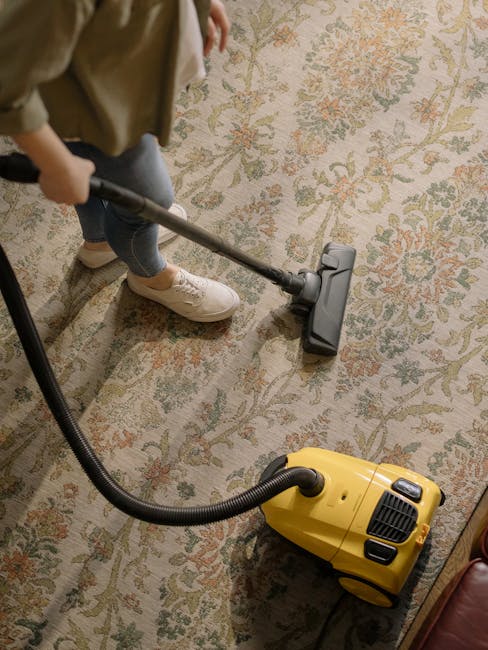
If you are staring at a tired carpet with a spill in one corner, a dull patch near the sofa, and that faint "something's not quite right" smell after a wet week, you are not alone. The choice between DIY versus professional carpet cleaning pros and cons comes up for almost every homeowner eventually. Do you rent a machine and tackle it yourself, or bring in a pro and let them do the heavy lifting? Truth be told, both routes can work - but they do very different jobs, and the wrong choice can cost you time, money, or even the carpet itself.
This guide breaks the decision down in plain English. You will see where DIY makes sense, where professional cleaning is worth every penny, what mistakes to avoid, and how to judge the real value beyond the price tag. There's a lot of nuance here, and it's not always the obvious answer.
- Why the choice matters
- How each method works
- Main benefits and practical advantages
- Who each option suits best
- Step-by-step guidance
- Expert tips for better results
- Common mistakes to avoid
- Tools, resources and recommendations
- Law, compliance and best practice
- DIY vs professional comparison
- Real-world example
- Practical checklist
- Frequently asked questions
Why DIY versus professional carpet cleaning pros and cons Matters
Carpets are one of those household things you stop noticing until they start looking tired. Then suddenly every mark feels louder than it should. The decision matters because carpet cleaning is not just about appearance. It also affects hygiene, indoor air quality, odour control, and the lifespan of the fibres under your feet.
DIY cleaning usually means a rented machine, a shop-bought solution, or a portable home extractor. Professional cleaning typically involves commercial-grade equipment, more controlled cleaning chemistry, and someone who knows how far to go without over-wetting the pile. That difference sounds small, but it often changes the result completely.
For a lightly marked hallway carpet, a DIY refresh can be perfectly sensible. For pet accidents, deep traffic lanes, older wool carpets, or a house where people are walking in from rain, mud, and school-run chaos, professional cleaning often makes more sense. Let's face it: carpets in real homes take a beating.
There is also a trust angle. A good cleaner will explain what can and cannot be fixed, what method suits the fibres, and whether stain removal is realistic. If you are comparing providers, pages like carpet cleaning services, stain removal, and pet stain and odour removal can help you understand what professional treatment may involve.
How DIY versus professional carpet cleaning pros and cons Works
The basic aim is the same in both cases: loosen soil, lift it out, and remove as much residue as possible without damaging the carpet. The difference is in control, power, and consistency.
DIY carpet cleaning
DIY usually follows a simple pattern. You vacuum thoroughly, apply a suitable cleaning product, agitate the fibres with a brush or machine, extract moisture if possible, and then let the carpet dry. Some people use a small spot cleaner for isolated marks; others rent a full-size machine for a whole room. It can work well, especially if the carpet is only moderately dirty.
The downside is that most DIY kits are limited. They may not heat water strongly enough, extract deeply enough, or rinse residue away properly. That can leave carpets damp for too long, sticky with detergent, or unevenly cleaned. And once a carpet is over-wet, drying becomes a whole other problem. You can almost smell it before you see it.
Professional carpet cleaning
Professional cleaning is not one single method. A cleaner may use hot water extraction, steam-based systems, low-moisture methods, or targeted stain treatment depending on the carpet type and condition. If you want a sense of the equipment-heavy side of the job, the steam carpet cleaning page is a useful example of a deeper, more controlled approach.
Professionals also test fibres and stains first. That matters more than people think. Wool, synthetic blends, loop pile, and delicate rugs all behave differently. A cleaner with the right experience will adjust temperature, chemical strength, rinse technique, and drying time accordingly. That's the bit DIY often struggles to match.
Key Benefits and Practical Advantages
Both approaches have genuine strengths. The smart move is understanding what each is best at, rather than assuming one is always better.
DIY benefits
- Lower upfront cost if you already own basic equipment or only need a small area cleaned.
- Convenience for quick spills and same-day spot treatment.
- Control over timing because you do it when it suits you, even if that means 8pm on a Sunday with a cup of tea going cold nearby.
- Useful for maintenance between deeper cleans.
Professional benefits
- Deeper soil removal from embedded dirt, oils, and traffic wear.
- Better stain treatment for old marks, pet issues, and colour migration risks.
- Faster, more even results thanks to commercial equipment and experience.
- Reduced risk of damage on delicate fibres, glued backing, or textured carpets.
- Usually better drying outcomes when the process is done correctly.
There is a practical truth here: DIY often wins on cost and speed for light maintenance, while professional cleaning usually wins on outcome, safety, and long-term value. Not every home needs the same level of treatment, though. A small flat with a modern synthetic carpet is a very different job from a busy family home with pets and a hallway that sees boots, buggies, and the odd muddy football shirt.
If you are also dealing with sofas, rugs, or mattresses, bundled cleaning can make sense. Related services such as upholstery cleaning, rug cleaning, sofa cleaning, and mattress cleaning can sometimes be planned together for a more complete refresh.
Who This Is For and When It Makes Sense
To be fair, not everyone needs a pro every time. The right choice depends on the carpet, the mess, and what you expect the result to look like on day two, not just five minutes after drying.
DIY is often a good fit if you:
- have light, routine soiling rather than deep staining
- want to tidy up a small spill quickly
- own a synthetic carpet that can handle moderate moisture
- are comfortable following product instructions carefully
- need an affordable interim clean between professional visits
Professional cleaning is usually better if you:
- have stubborn stains, pet accidents, or lingering odours
- have wool, delicate, or high-value carpets
- notice dull traffic lanes that do not lift with vacuuming
- want a more thorough finish before moving out, hosting, or selling
- need commercial or high-use carpets cleaned with minimal disruption
Business settings are a different game again. Offices, reception areas, and rental properties often need cleaner, more predictable turnaround. In those cases, commercial expertise matters because poor drying or patchy cleaning can disrupt people very quickly. If that sounds familiar, it is worth looking at commercial carpet cleaning as a separate category rather than treating it like home cleaning on a larger scale.
And if you are comparing costs, make sure you look beyond the initial number. A cheap DIY job that leaves a stain darker, spreads an odour, or shrinks a patch is not really cheap. Annoying, yes. Cheap, not quite.
Step-by-Step Guidance
If you are leaning towards DIY, or simply want to understand what professionals do, this is the practical sequence that tends to work best.
- Vacuum properly first. Do not skip this. Dry soil is easier to remove before moisture is added, and it stops grit being turned into mud inside the fibres.
- Identify the carpet type. Wool, synthetic, blends, and natural fibre rugs all need different care. If you are not sure, test cautiously in a hidden area.
- Spot-test the cleaning solution. Check for colour transfer, pile distortion, or whitening before applying anything broadly.
- Treat stains separately. Fresh spills, grease, pet marks, and drink stains usually need different handling. One product rarely solves everything.
- Use the least moisture necessary. Over-wetting is one of the biggest DIY problems. Slow drying can leave a musty smell and can encourage wick-back, where hidden residue rises to the surface later.
- Extract and rinse thoroughly. Leftover detergent attracts dirt. That is why a carpet can look clean on Monday and grim by Friday.
- Increase airflow while drying. Open windows if appropriate, use fans, and avoid heavy foot traffic until dry.
- Re-check the result once dry. Some stains only show their true colour after drying. That is often the moment people sigh and say, "oh, brilliant".
If you hire a professional, a good process usually includes inspection, pre-treatment, agitation where needed, controlled extraction, and post-clean advice. A cleaner should also tell you if a mark is permanent or if a fibre has been damaged rather than stained. That honesty matters.
Expert Tips for Better Results
Here are the small details that make a surprisingly big difference.
- Act quickly on spills. Blot, do not rub. Rubbing pushes the spill deeper and roughs up the pile.
- Use white cloths or plain towels. Coloured fabrics can transfer dye when moisture is involved.
- Keep cleaning solution modest. More detergent is not more power. Usually it is just more residue.
- Work from the outside of a stain inward. This helps stop the mark spreading.
- Mind the underlay. A carpet can feel dry on top while the backing stays damp underneath.
- Choose cleaning frequency based on use, not guesswork. Hallways and living rooms often need more attention than spare bedrooms.
One practical tip that gets overlooked: if you are cleaning after a pet accident, deal with the odour source as well as the visible mark. Surface brightness can be misleading. The smell tells you the story. That is why dedicated pet stain and odour removal treatment is often worth considering for recurring incidents.
Also, be realistic about what a machine can do on a tired carpet. If fibre wear has caused the colour to fade or the pile to crush permanently, cleaning can improve the appearance but not reverse age. It is a refresh, not a time machine. Sadly.
Common Mistakes to Avoid
Most carpet-cleaning disappointments come from a handful of avoidable errors. The good news is that once you know them, they are easy enough to dodge.
DIY mistakes
- Using too much water. This is the classic one. It slows drying and can leave lines, marks, or smell.
- Skipping vacuuming. Dirt turns into slurry and grinds further into the carpet.
- Using the wrong product. Some cleaners are too harsh for wool or sensitive fibres.
- Scrubbing aggressively. That can damage pile structure and make the spot look worse.
- Not rinsing properly. Residue attracts dirt and creates sticky patches.
Professional-selection mistakes
- Choosing on price alone. The cheapest quote may be cheap for a reason.
- Not asking what method will be used. Steam, low-moisture, and extraction all suit different jobs.
- Ignoring insurance and safety. Good providers should be able to talk clearly about these basics. A useful starting point is the site's insurance and safety information, plus the health and safety policy.
- Assuming all stains are removable. Some are permanent, some are just stubborn, and some have already oxidised or changed fibre colour.
It sounds obvious, but people do this all the time: they panic-clean a stain, use the wrong product, make it bigger, and then ring a professional hoping for a miracle. Sometimes there is a fix. Sometimes not. Better to keep the damage small from the start.
Tools, Resources and Recommendations
If you are going DIY, a sensible kit is often enough for regular maintenance. You do not need an industrial lab in the airing cupboard.
Useful DIY tools
- an effective vacuum cleaner with good suction
- a carpet brush or soft agitation tool
- microfibre cloths and plain white towels
- a spot cleaner or portable extractor
- carpet-safe cleaning solution suited to your fibre type
- fans or a dehumidifier to help drying in damp weather
What to look for in a professional
- clear explanation of method and expectations
- appropriate treatment for carpet type and stain type
- careful pre-inspection rather than a rushed quote
- straight answers about drying time and aftercare
- polite, written terms and clear pricing structure
For readers comparing service details, pricing and quotes can help set expectations, while payment and security is useful if you want to understand how the booking side is handled. If sustainability matters to you, the recycling and sustainability page is also worth a look. Small things, but they build trust.
Law, Compliance, Standards, or Best Practice
For domestic carpet cleaning, there usually is not a dramatic legal maze to navigate, but there are still sensible UK best-practice expectations. If a cleaner is working in your home or business, they should operate safely, use products responsibly, and handle customer property with care. That means proper risk awareness, sensible ventilation, suitable chemical use, and respect for surfaces and belongings.
For commercial premises, the expectations are higher. You may need to think about access, slip risks, electrical equipment, drying times, and coordination with staff or tenants. A professional should be able to explain how they reduce disruption and manage the work area safely. If you are dealing with a tenancy, office, or managed property, this is where clear terms and proper communication become especially important.
There is also an ethical side to doing things properly. Reputable businesses tend to have transparent policies, including complaints handling, privacy, and service terms. That kind of paperwork is not thrilling, but it does matter. It tells you there is a process if something goes wrong. You can see examples such as complaints procedure, privacy policy, and terms and conditions for the sort of information a careful customer should expect to find.
Best practice, in plain terms, means matching the method to the material, being honest about limits, and protecting the carpet while improving it. Nothing fancy. Just solid tradecraft.
Options, Methods, or Comparison Table
Here is the simplest way to compare the main choices without getting lost in jargon.
| Option | Best for | Main advantages | Main drawbacks |
|---|---|---|---|
| DIY spot cleaning | Fresh minor spills and small marks | Fast, cheap, convenient | Limited depth, easy to overdo, risk of residue |
| DIY machine cleaning | Light to moderate soiling in accessible rooms | Affordable, flexible timing | Moisture control can be tricky, results vary |
| Professional standard clean | General whole-room refreshes | Deeper clean, better consistency, less hassle | Higher cost than DIY |
| Professional stain or odour treatment | Pet accidents, old marks, problem areas | Specialist methods, better chance of improvement | Not every stain can be fully removed |
| Professional commercial clean | Offices, rentals, high-traffic premises | Efficient, scalable, safer for busy sites | Needs planning and coordination |
The table is simple, but it reflects the real decision: are you trying to freshen up a carpet, or are you trying to restore a problem area properly? Those are not the same thing. Not remotely.
Case Study or Real-World Example
Imagine a family home in south London after a long wet spell. The hallway carpet has that greyish traffic path, the lounge has a faint drink mark near the armchair, and the dog has had one accident by the back door. The owner first tries DIY with a rented machine and a supermarket cleaner. The hallway improves a little. The drink mark lightens. But the pet area still smells on warmer days, especially after the room has been closed overnight.
At that point, a professional visit becomes the sensible next step. A technician can inspect the fibre, treat the odour source more directly, and clean the carpet in a way that reduces the risk of residue and over-wetting. The result is usually not just "looks better", but "feels fresher" - and that matters when you are living with it every day.
That does not mean the DIY effort was wasted. It likely bought time and reduced surface soil. But it also showed the limit of household equipment. In a real home, that is often the honest answer: start small if the problem is small, then escalate if the carpet needs more than a surface refresh.
Practical Checklist
Use this before deciding whether to DIY or hire a professional.
- Have you vacuumed thoroughly?
- Is the carpet synthetic, wool, or delicate?
- Is the issue a fresh spill, a set stain, or a general dullness?
- Is there any lingering odour after cleaning?
- Can you safely manage drying and ventilation?
- Would a wrong product or too much moisture cause damage?
- Do you need the carpet cleaned quickly for guests, tenants, or a handover?
- Are there other items worth cleaning at the same time, such as a sofa or rug?
- Have you checked the provider's terms, safety approach, and pricing?
- Would you be annoyed if the result is only "okay" rather than properly improved?
If you tick several boxes that point to risk or complexity, the professional route often makes more sense. If the issue is mild and you are confident with the carpet type, DIY may be enough. Simple as that.
Get a free quote today and see how much you can save.
Conclusion
The real answer to DIY versus professional carpet cleaning pros and cons is not that one side always wins. It is that each option fits a different kind of problem. DIY is practical for light maintenance, quick touch-ups, and budget-conscious cleaning when the carpet is in decent shape. Professional cleaning is the better call when you want deeper soil removal, better stain treatment, safer handling of delicate fibres, or a more reliable result the first time.
If you remember one thing, make it this: the best carpet cleaning choice is the one that matches the carpet, the mess, and the outcome you actually want - not just the cheapest route on the day.
And if the carpet still has a bit of life left in it, which it often does, a careful clean can make a room feel brighter, warmer, and far more lived-in in the good way.
Frequently Asked Questions
Is DIY carpet cleaning worth it?
Yes, if the problem is light soil, a small spill, or routine maintenance. DIY can be cost-effective and convenient, but it is usually less powerful than professional cleaning and easier to get wrong.
When should I choose professional carpet cleaning instead?
Choose a professional when you have stubborn stains, pet odours, delicate fibres, heavy traffic wear, or you need a more thorough result. It is also the better option if you do not want the risk of over-wetting or residue.
Can DIY carpet cleaning damage my carpet?
It can, especially if you use the wrong chemical, scrub too hard, or leave too much moisture behind. The most common issues are fibre distortion, colour changes, and slow drying.
Does professional carpet cleaning really remove old stains?
Sometimes, yes, but not always. Old stains may have set into the fibre or changed colour permanently. A professional can often improve them, but no honest cleaner should promise a miracle every time.
How often should carpets be professionally cleaned?
That depends on traffic, pets, children, and the type of property. Busy homes and commercial spaces usually need more frequent cleaning than low-use rooms. It is best judged by condition rather than a fixed rule.
Is steam carpet cleaning better than DIY methods?
It can be, because steam-based or hot water extraction methods often clean deeper than basic home equipment. But the real benefit comes from controlled technique, not just the machine itself.
What is the biggest DIY carpet cleaning mistake?
Over-wetting the carpet is probably the biggest one. It can lead to long drying times, odours, residue, and sometimes a worse-looking result after the carpet dries.
Are professional carpet cleaners safe for pets and children?
They can be, if appropriate products are used and the carpet is allowed to dry properly before use. Always ask what is being applied and how long the room should stay off limits.
Can I clean a wool carpet myself?
You can, but you need to be very cautious. Wool is more sensitive to moisture, chemicals, and aggressive scrubbing than many synthetic carpets. If in doubt, professional cleaning is safer.
Is a rented carpet cleaner as good as a professional machine?
Not usually. Rented machines can help with light cleaning, but professional machines tend to offer stronger extraction, better control, and more consistent results across the whole room.
What should I ask before hiring a carpet cleaner?
Ask what method they will use, whether they are insured, how long drying should take, what happens with stains that do not lift, and how pricing is structured. Clear answers are a good sign.
Where can I find related cleaning services if my carpet is not the only issue?
If you are refreshing more than one item, it can help to look at related services such as sofa cleaning, rug cleaning, and upholstery cleaning so you can plan one proper clean rather than several rushed ones.